Is Freemasonry a cult or a religion
No, it isn’t, either.
Freemasonry is a brotherhood built on values, learning, and shared tradition. People from different faiths can join, which makes it clear that it doesn’t replace religion; it simply sits beside it.
Understanding whether Freemasonry is a religion and the meanings behind its Masonic symbols and regalia helps create a clearer, more respectful view of the craft.
Many people get confused because of Freemason signs and traditions. But these are not religious practices. They are symbolic ways to express identity, rank, and belonging.
From the Masonic apron to Masonic ties and other parts of Masonic clothing, each piece has meaning. It reflects a Mason’s journey, not a belief system.
It’s not about religion.
It’s about brotherhood, symbols, and purpose.
What Freemasonry really is, and why it is not a religion
Freemasonry is often misunderstood because of how it appears from the outside. But when you break it down, it becomes much easier to understand. It’s not about secret beliefs or hidden control. It’s about people, values, and meaning.
What Freemasonry is
Freemasonry is a brotherhood where people come together to learn, grow, and support each other. It focuses on simple values like honesty, respect, and personal improvement.
Instead of long explanations, it uses Masonic symbols and the Freemason symbol system to share ideas. These symbols act like reminders, helping members understand how to think and act in everyday life.
It also has structure and tradition. That’s where Masonic regalia, Mason regalia, and custom regalia come in. Items like the Masonic apron and other parts of Masonic clothing represent a person’s journey, role, and progress within the brotherhood.
At its core, it’s straightforward.
people learning, improving, and belonging.
What Freemasonry is not
Freemasonry is not a religion. It does not replace personal faith or ask people to follow a new belief system.
People from different religions can join, which makes it clear that belief is personal and separate from Freemasonry.
It’s also not a cult. There is no control over personal life, no forced beliefs, and no hidden agenda. The confusion often comes from Freemason signs and traditions, but these are symbolic, not religious practices.
The Freemason symbol and other elements are there to guide and represent values, not to be worshipped.
So while it may seem complex at first, it’s actually quite simple.
a structured brotherhood built on values, not a religion.
The meaning behind Freemason signs, symbols, and regalia
Freemasonry communicates through simple symbols and signs rather than long explanations. That’s where most confusion begins, but the idea itself is quite straightforward.
Signs that are more than just gestures.
Freemason signs, including the Freemason handshake, are not random. They are symbolic ways to show recognition and connection between members.
It is like a quiet language.
These signs are built on tradition. They help members identify one another and reflect shared values, not secrecy for the sake of hiding anything.
1. Freemason Handshake

Heritage and Symbolism: This comes from operative stonemasons who used specific grips to recognize skilled workers when traveling between job sites. Over time, it became a core part of Freemasonry. It represents trust, mutual respect, and brotherhood, acting as a quiet but powerful way for members to identify one another.
2. Dueguard of an Entered Apprentice

Heritage and Symbolism: This sign is used during the earliest stage of Freemasonry, when a member takes their first oath. The position of the hands symbolizes commitment, discipline, and moral responsibility. It reflects the idea of supporting knowledge and honoring one’s promises.
3. Sign of an Entered Apprentice

Heritage and Symbolism: This gesture is traditionally associated with the responsibilities of a new member. It represents accountability and integrity, reminding the individual to stay true to their word and uphold ethical standards in both personal and social life.
4. Sign of a Fellow Craft

Heritage and Symbolism: This sign belongs to the second stage of Freemasonry, where learning and self-development are emphasized. It symbolizes growth, inner development, and the pursuit of knowledge, highlighting the transition from basic understanding to deeper awareness.
5. Grand Hailing Sign of Distress

Heritage and Symbolism: This is one of the most recognized gestures, used symbolically to call for help or support. It represents brotherhood, unity, and the obligation to assist others, reinforcing the idea that members should stand by one another in times of need.
Why Masonic Symbols Matter
Masonic symbols are central to Freemasonry. Each symbol carries a simple meaning, often linked to values like honesty, balance, and discipline.
They are not meant to be worshipped.
They are meant to be understood.
These symbols act as daily reminders of how a person should think and act.
1. Square and Compasses

Heritage and Symbolism: The Square and Compasses come from the tools used by stonemasons to build accurate and strong structures. They represent moral balance and self-control, reminding a person to act fairly and keep life in proper order.
2. All Seeing Eye

Heritage and Symbolism: An ancient symbol found across many cultures that represents awareness and observation. It reminds individuals to live with honesty and integrity, knowing their actions always have value.
3. Forget-Me-Not

Heritage and Symbolism: A small blue flower adopted in Masonic tradition as a symbol of remembrance. It stands for loyalty, memory, and staying true to one’s values even during difficult times.
4. Cross Symbols

Heritage and Symbolism: The cross is an ancient symbol found in many traditions, long before Freemasonry, often representing faith, unity, and higher purpose. In a Masonic context, it reflects sacrifice, balance, and living with strong moral principles, reminding a person to stay grounded and committed to what is right.
5. Letter G

Heritage and Symbolism: Introduced into Masonic teachings as a symbol of important guiding principles. It is linked to geometry and spiritual awareness, reflecting knowledge, order, and deeper understanding.
Understanding Masonic regalia and its purpose
Masonic regalia, also known as mason regalia, includes the items worn during meetings and ceremonies. These pieces represent progress, role, and responsibility within the fraternity.
Items like the Masonic apron, along with Masonic gloves, Masonic badges, and other parts of Masonic clothing, are not just for appearance. They carry meaning connected to tradition and personal development.
Each piece reflects a stage, a responsibility, or a value that the member is expected to uphold.
It is not about what you wear.
It is about what it represents.
Understanding Masonic uniforms and what each piece represents

Walk into a lodge, and the first thing you notice isn’t words.
It’s what people are wearing.
That’s where the story begins.
Masonic clothing is not about fashion. Every piece has meaning, and together they form the Freemason uniform. A big part of Masonic regalia and Custom Masonic regalia is about identity, respect, and progression within the brotherhood.
Let’s break it down properly, one piece at a time.
The Masonic apron

The Masonic apron is the foundation of Masonic regalia. It represents work, discipline, and personal growth. Different aprons reflect different levels, from beginner to advanced ranks.
It’s not just worn.
It shows where you stand.

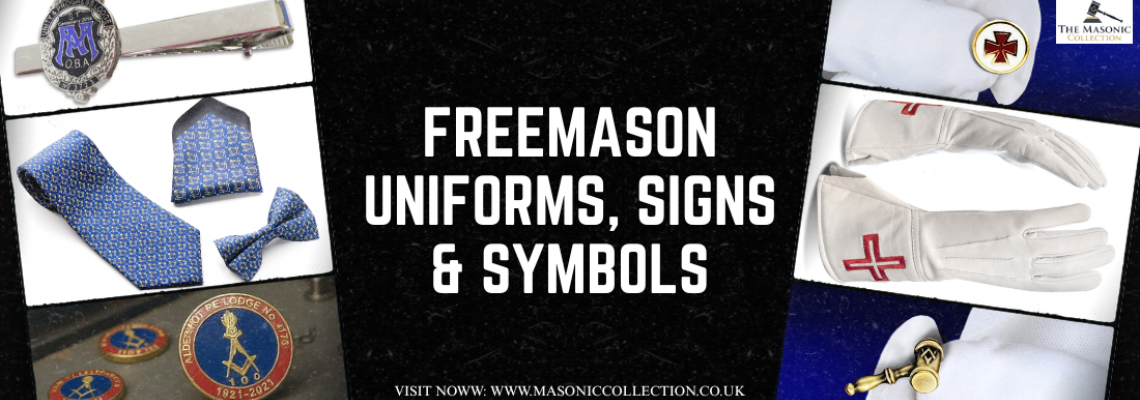
Masonic gloves symbolise purity and clean intention. 100 % White cotton gloves are among the most common and widely used items in lodge meetings.
They remind members to act with honesty.

Masonic ties are part of modern Masonic clothing. Often made from silk and designed with subtle patterns or symbols, they bring tradition into everyday formal wear.
They’re simple, but they speak.

Masonic badges show rank, achievements, and lodge identity. There are different types, including apron badges, flag badges, and custom badges.
Each one has a purpose.

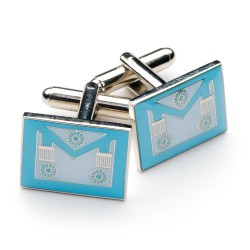
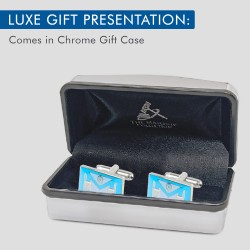
Masonic cufflinks come in many forms, from symbol cufflinks to apron design cufflinks and even custom cufflinks designs.
They add detail to formal wear while still reflecting Masonic symbols and belonging.

A Freemason ring is one of the most personal items. It represents commitment and pride. Many rings include engraved Freemason symbols, making them both meaningful and visible.
It’s something people carry daily.

Masonic jewels are a key part of Masonic regalia. These include breast jewels, collar jewels, and officer jewels, each linked to a specific role or achievement.
They represent responsibility and honour.
Storage and accessories

Even storage items matter. Regalia cases, apron holders, and jewel holders are designed to protect these important pieces.
Because these are not just items.
They are part of a journey.
When all these elements come together, they create a complete Freemason uniform. From the Masonic apron to Masonic gloves, from cufflinks to jewels, every detail in Masonic regalia has meaning.
It’s not about dressing up.
It’s about representing identity, progress, and respect in every part of Masonic clothing.
How modern Masonic regalia reflects tradition and identity
It’s one thing to talk about Masonic regalia in theory.
It’s different when you actually see how it fits into real life.
That’s where The Masonic Collection stands out. Their products show how tradition can stay strong while still feeling modern, clean, and easy to wear.
Take the Black Square & Compass Gift Set. It brings together core Masonic symbols in a simple and refined way. Nothing excessive, just a clear identity through design.
Then there’s the Blue Masonic Tie with G. A great example of how Masonic ties can be part of everyday formal wear while still carrying a strong Freemason symbol. Subtle, but instantly recognisable.
For finer details, the Craft Master Mason Apron Cufflinks connect directly to the meaning of the Masonic apron. They reflect progress and role, just in a smaller and more wearable form.
The Masonic Mother of Pearl Cufflinks takes it a step further. Clean finish, elegant look, but still rooted in tradition. This is where Masonic clothing meets personal style without losing meaning.
And for a more personalised touch, Custom Lodge Ties allow lodges to represent their own identity. This links directly back to mason regalia and the idea of belonging to something specific.
What makes all of this work is consistency.
From Masonic badges to Masonic gloves, from ties to cufflinks, every piece connects back to the same idea. Identity, respect, and meaning.
It’s not about wearing more.
It’s about wearing something that represents who you are.
How to become a Freemason
A lot of people think joining Freemasonry is complicated.
It’s actually much simpler than it sounds.
You don’t get invited randomly.
You ask.
That’s the first step.
Start with interest
If you’re curious about Freemasonry, you begin by learning a bit about it. Understanding Masonic symbols, Freemason signs, and how Masonic regalia works helps you see what the brotherhood is about.
It’s not about rushing in.
It’s about understanding first.
Reach out to a local lodge
To become a Freemason, you need to contact a local lodge. This is where everything begins. You can express your interest and ask questions.
There’s no pressure.
Just a conversation.
Meet the requirements
Basic requirements are simple:
You must be an adult
You should have a good character
You should believe in a higher power
Freemasonry doesn’t tell you what to believe. It just asks that you believe in something greater than yourself.
Go through the process.
Once you apply, there’s a process. You’ll meet members, have discussions, and slowly get introduced to the structure.
This is where you start understanding things like Masonic aprons, Masonic gloves, and other parts of Masonic clothing, not just as items, but as symbols.
Becoming part of the brotherhood
When accepted, you begin your journey. Over time, you learn more about Freemason symbol meanings, take part in traditions, and understand the purpose behind Masonic regalia and Masonic regalia.
You don’t become everything at once.
You grow into it.
And that’s really what it comes down to.
Freemasonry isn’t about status or appearance. Even things like a Freemason ring or Masonic ties come later, as part of the journey.
At the start, it’s simple.
You show interest, you learn, and you become part of something built on values and respect.
Why Freemasonry still matters today
Freemasonry might seem old, but it still fits into today’s world quite easily.
The reason is simple. The values it focuses on, like respect, honesty, and personal growth, are still important. These are things people still look for in everyday life.
At the same time, people want a real connection. Not just quick chats or online interactions, but something more steady. Freemasonry offers that through brotherhood and shared purpose.
Masonic symbols and Freemason signs still play a role here. They act as small reminders of how members should think and act. Nothing complicated, just clear guidance.
Masonic regalia also continues to matter. Items like the Masonic apron, Masonic gloves, and Masonic ties are not just traditional pieces. They represent progress and identity within the group. Even modern Masonic clothing keeps that balance between tradition and present-day use.
Smaller details like a Freemason ring or Masonic badges also carry meaning. They reflect belonging and commitment simply.
Freemasonry still matters because what it stands for hasn’t really changed, and those ideas still make sense today.
Closing thoughts
Freemasonry is often misunderstood at first, especially when people hear about its symbols, signs, and traditions. But once you look closer, it becomes much clearer.
It’s not a religion. It’s a brotherhood built on values, meaning, and personal growth.
From Freemason signs to Masonic symbols, everything has a purpose. These elements are simple ways to represent ideas like respect, discipline, and responsibility. The same applies to Masonic regalia. Items like the Masonic apron, Masonic gloves, Masonic ties, and Masonic badges all reflect a journey within the craft.
Even smaller details, such as a Freemason ring or parts of Masonic clothing, carry that same meaning. Nothing is random. Everything connects back to identity and progress.
The Masonic Collection brings all of this together in a practical way, offering pieces that stay true to tradition while fitting into modern use.
If you’re looking to explore or upgrade your Masonic regalia, you can browse their full range here:
Explore The Masonic Collection
Find pieces that represent your journey with clarity, purpose, and respect.
Related Products