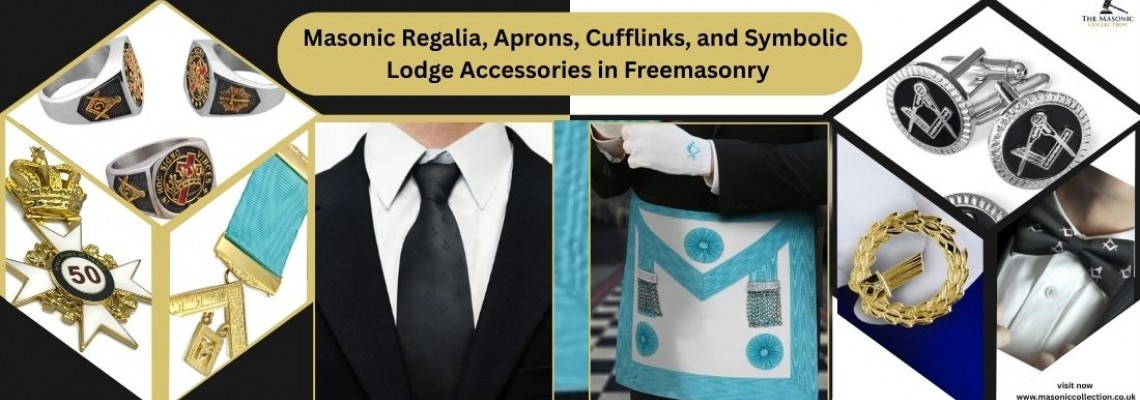
Many Freemasons in the UK see Masonic gifts, cufflinks, aprons, and custom regalia as symbols of brotherhood, tradition, achievement, and pride during lodge meetings and formal ceremonies in 2026.
A well-crafted Masonic apron, polished cufflinks, or detailed Royal Arch regalia often represents far more than appearance. These ceremonial pieces reflect rank, personal identity, commitment to the lodge, and respect for Freemasonry itself.
Even smaller details matter.
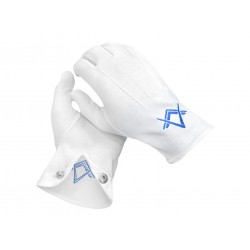
Items like Masonic rings, Masonic ties, white Masonic gloves, and Square and Compass accessories help create a distinguished ceremonial presence that feels meaningful inside the lodge. That’s why many Freemasons continue to choose premium ceremonial wear and handcrafted accessories from The Masonic Collection for formal Masonic events and lodge gatherings.
Why symbolism still matters in Freemasonry
Freemasonry has always been built around symbolism, and that connection still shapes modern lodge culture today. The wider history, structure, and symbolism behind Freemasonry continue to influence ceremonial traditions and lodge identity throughout the UK today.
Masonic gifts, ceremonial regalia, and lodge accessories are not simply formal decorations. They often represent identity, achievement, responsibility, and brotherhood within the craft.
Items such as Masonic aprons, Masonic cufflinks, Freemason rings, and lodge jewels often carry symbolic meanings associated with different Masonic degrees and traditions. Many of the most recognised Masonic symbols still appear across modern ceremonial wear and Masonic regalia UK collections.
Some of the most common symbols include:
The Square and Compass represents morality and integrity
The Level symbolising equality among brethren
The Pillars reflecting wisdom and strength
The Sun and Moon represent harmony and balance
These symbols regularly appear on products like Master Mason aprons, Square & Compass cufflinks, Masonic jewellery, and ceremonial lodge accessories available from The Masonic Collection.
Many Freemasons choose their regalia carefully because every piece becomes part of their lodge identity over time. A Masonic signet ring or a pair of premium cufflinks for men may look simple to outsiders, but within the lodge, those details often carry years of tradition and personal meaning.
Why ceremonial pieces still hold meaning in Freemasonry
Some ceremonial pieces are impossible to ignore in Freemasonry. The apron especially stands at the centre of Masonic tradition and remains one of the most respected symbols within the lodge. Different colours, embroidery styles, and detailing often reflect rank, degree, or specific Masonic orders.
Craft Master Mason aprons

A Master Mason apron is more than ceremonial clothing. It represents progression within the craft and is often worn during lodge meetings, formal ceremonies, and installations. Many Freemasons keep the same apron for years because it becomes personally connected to their lodge journey.
Royal Arch and Knights Templar regalia

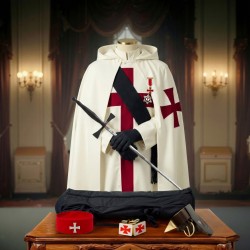
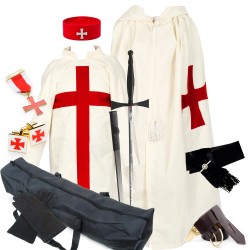
Royal Arch regalia and Knights Templar regalia are closely linked with ceremonial identity and tradition.
Many members also compare different styles of ceremonial regalia and Knights Templar lodge attire before purchasing formal Masonic wear.
For many Freemasons, understanding the history and ceremonial role behind different regalia sets helps when selecting formal lodge attire and embroidered ceremonial accessories. Learn more about Knights Templar regalia basics before choosing ceremonial Masonic wear.
These regalia sets often include collars, jewels, badges, and embroidered detailing that reflect membership within specific Masonic orders.
Masonic cufflinks and jewellery

Masonic cufflinks, Masonic rings, and Freemason jewellery help complete formal lodge attire while still carrying symbolic meaning. What makes Masonic jewellery unique? Square and Compass designs remain especially popular because they instantly connect with Masonic heritage and brotherhood.
Ceremonial accessories and storage

Items such as White 100% Cotton Masonic Royal Blue Gloves, Masonic ties, lapel pins, and Masonic Grand Rank Regalia Soft Case are also widely used at formal events. Proper storage and presentation still matter heavily within lodge culture, especially during ceremonial gatherings.
Many of these ceremonial products are available through The Masonic Collection, where Freemasons across the UK continue to look for premium Masonic gifts, handcrafted regalia, and formal lodge accessories designed for long-term ceremonial use.
Why Masonic gifts still carry personal meaning
Not every meaningful item in Freemasonry is worn during a ceremony. Many Masonic gifts are chosen because they reflect respect, appreciation, and connection between brethren inside the lodge.
Some gifts are presented after years of service. Others are exchanged during installations, lodge celebrations, charity events, or personal milestones within the craft. That personal side of Freemasonry is a big reason why ceremonial accessories still hold value today.
Masonic rings and symbolic identity
A Masonic ring often becomes one of the most personal items a Freemason owns because it reflects identity, brotherhood, and commitment to the craft.
Masonic gold rings and Masonic silver rings remain popular for formal lodge wear, while Masonic reversible head rings and Masonic costume rings add a more symbolic and traditional touch to ceremonial appearance.
Cufflinks and a formal lodge appearance
Masonic cufflinks remain one of the most popular ceremonial accessories because they blend symbolism with formal presentation. Gold and silver cufflinks for men featuring lodge symbols are commonly worn during meetings, installations, and Freemasons Black Polyester Masonic Tie for Masonic events.
while custom cufflinks with engraved lodge emblems, initials, or Square and Compass detailing add a more personal connection to formal Masonic attire.
Personalized Masonic gifts and lodge tradition
Many lodges also choose personalized Masonic gifts for senior members, Worshipful Masters, and long-serving brethren as a way to recognise service, commitment, and lodge contribution over time. Items such as custom Masonic cufflinks, Masonic tie slides, Masonic neckties, Masonic bow ties, regalia cases, Masonic watches, and handcrafted pendants often become meaningful keepsakes connected to important moments within the craft.
Products including Masonic symbol cufflinks, Masonic apron design cufflinks, Masonic gold rings, Masonic silver rings, custom lodge ties, and formal Masonic tie & cufflink sets remain especially popular because they combine ceremonial tradition with personal identity and formal lodge presentation.
Collections from The Masonic Collection continue to attract Freemasons looking for premium Masonic gifts, handcrafted regalia, and ceremonial accessories that balance symbolism, craftsmanship, and traditional lodge style.
Why quality regalia still matters in Freemasonry
Freemasonry has always placed importance on presentation, tradition, and respect inside the lodge, which is why many members continue to invest in premium ceremonial wear and handcrafted Masonic accessories.
A well-made Master Mason apron, polished Masonic cufflinks, or detailed Royal Arch regalia set often creates a stronger ceremonial presence during lodge meetings and formal events. Better embroidery, refined stitching, quality fabrics, and symbolic detailing all help distinguish premium Masonic regalia from standard ceremonial wear.
Many Freemasons also prefer long-lasting accessories that become part of their personal lodge journey over time. Items such as Masonic gold rings, Masonic silver rings, custom lodge ties, Masonic watches, custom gloves, and regalia cases are often kept for years because they carry personal and symbolic value within the craft.
Formal lodge appearance still matters as well. Properly worn Masonic ties, cufflinks, aprons, and ceremonial accessories continue to reflect discipline, pride, and respect for Freemasonry during installations, processions, and lodge ceremonies.
Why Masonic tradition still lives through ceremonial wear
Freemasonry continues to value symbolism, discipline, and lodge tradition, and ceremonial wear remains one of the clearest reflections of that connection today. Masonic aprons, cufflinks, regalia, and ceremonial accessories are not simply formal items worn for appearance. They often represent years of service, personal achievement, brotherhood, and respect for the craft.
A Master Mason apron, a pair of custom Masonic cufflinks, or a carefully chosen Masonic ring can carry strong personal meaning for the wearer. Many Freemasons continue to invest in Royal Arch regalia, ceremonial gloves, handcrafted Masonic jewellery, lodge ties, and regalia cases because these items become part of their long-term lodge identity over time.
Even smaller details still matter within formal lodge settings. Clean presentation, properly maintained regalia, polished Masonic accessories, and symbolic lodge wear continue to reflect pride, tradition, and ceremonial respect during meetings, installations, and formal Masonic events across the UK.
Brotherhood, symbolism, and tradition still define Masonic regalia
Masonic regalia continues to hold strong meaning within Freemasonry because ceremonial wear often reflects identity, achievement, discipline, and connection to the lodge. From formal Masonic aprons to handcrafted accessories, these ceremonial details remain closely tied to tradition, brotherhood, and personal lodge history across the UK.
Ceremonial wear represents more than appearance.
Key ceremonial pieces commonly include:
Master Mason aprons
Royal Arch regalia
Masonic cufflinks
Custom cufflinks
Masonic rings and signet rings
Masonic ties and bow ties
White Masonic gloves
Masonic badges and lapel pins
Personal meaning remains closely tied to regalia
Popular symbolic accessories often include:
Masonic gold rings
Masonic silver rings
Masonic tie & cufflink sets
Masonic jewel holders
Regalia storage cases
Personalized Masonic gifts
Formal lodge presentation still matters
Formal lodge presentation often includes:
Clean ceremonial aprons
Polished Masonic jewellery
Coordinated lodge ties and cufflinks
Properly stored regalia cases
Handcrafted ceremonial accessories
Symbolic lodge wear with Square and Compass detailing
Final thoughts on Masonic symbolism and ceremonial tradition
Across Freemasonry, ceremonial wear continues to represent far more than formal appearance. Masonic aprons, custom regalia, cufflinks, ceremonial jewellery, and lodge accessories remain closely connected to identity, tradition, brotherhood, and personal achievement within the craft.
Many of the most recognised ceremonial pieces still carry strong symbolic meaning today:
Master Mason aprons reflecting progression and lodge responsibility
Royal Arch regalia is connected to ceremonial tradition and rank
Masonic cufflinks and custom cufflinks adding symbolic detail to formal lodge attire
Masonic gold rings, silver rings, and signet rings representing personal identity and commitment to Freemasonry
Masonic ties, bow ties, and tie & cufflink sets supporting formal lodge presentation
White Masonic gloves, badges, and lapel pins worn during installations and ceremonial meetings
Regalia cases, jewel holders, and ceremonial accessories help protect important lodge items over time
For many Freemasons across the UK, these ceremonial accessories eventually become part of their long-term lodge history. A carefully worn apron, a handcrafted Masonic ring, or a personalised ceremonial accessory often carries years of memory, service, and symbolic meaning connected to the lodge journey itself.
Collections from The Masonic Collection continue to support Freemasons across the UK with premium Masonic gifts, handcrafted regalia, ceremonial accessories, Masonic jewellery, cufflinks, aprons, and formal lodge wear designed to reflect tradition, symbolism, and long-standing Masonic craftsmanship.
From custom Masonic cufflinks and Royal Arch regalia to Master Mason aprons, Masonic rings, ceremonial gloves, and lodge accessories, these collections help preserve the formal identity, ceremonial presentation, and symbolic heritage that remain deeply connected to Freemasonry today.
Related Products